-
 Piaff Dibota
- Blog
- Updated on July 21, 2026
70+ Impressive Content Writing Statistics to Know
Content is easy to publish, but much harder to make useful, trusted, and profitable. That’s why content writing statistics matter.
They show what’s actually happening across blogging, SaaS content, SEO, AI writing, visual content, and buyer behavior.
Instead of guessing what works, you can use these numbers to understand where brands invest, what readers prefer, and how content influences leads, sales, and search visibility.
Some stats may confirm what you already believe. Others might make you rethink how you plan, write, and measure content.
Key Content Writing Statistics
- 79% of content marketers use blogs to distribute content.
- 72% of new web content is created with generative AI.
- 83% of marketing professionals use AI for content creation.
- Blog posts with 7 or more images perform about 3x better than posts with only one image.
- Content marketing generates more than 3x as many leads as outbound marketing while costing 62% less.
- Blog posts longer than 3,000 words outperform shorter posts by 53%.
Table of Contents
Blogging and Content Writing Performance
The content writing statistics in this section show how blog performance connects to leads, ROI, and audience behavior.
A blog post may not convert instantly, but it can shape how someone understands your product or category.
1. 79% of content marketers use blogs to distribute content.
2. Nearly 9 out of 10 content marketers make blog content their top priority.
3. 76% of content marketers use blog posts to attract potential customers.
4. 80% of businesses report positive marketing results from blogging.
5. B2B companies with blogs generate 67% more sales than companies without blogs.
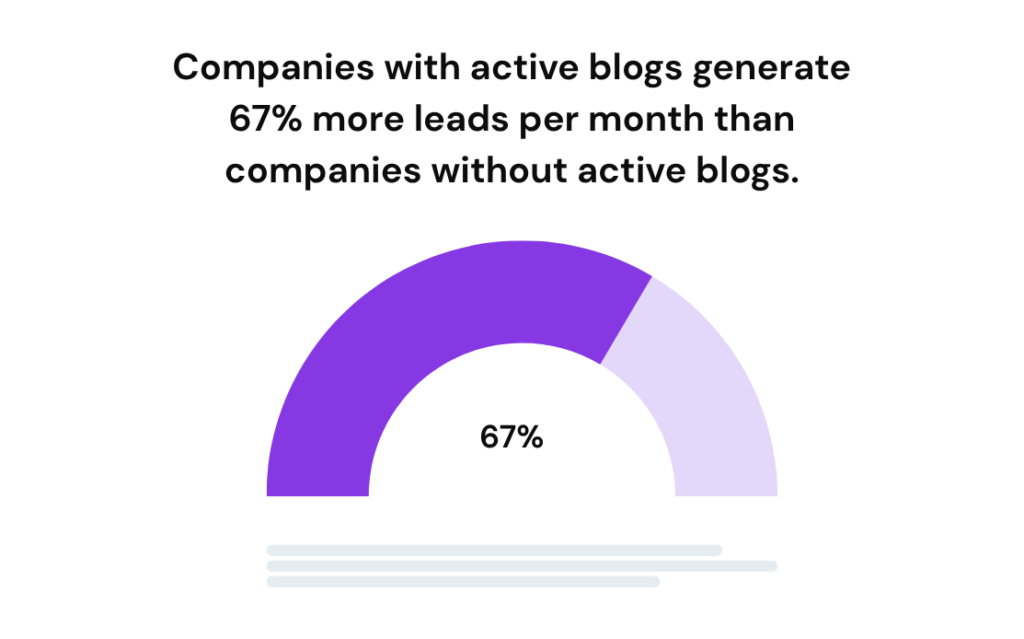
6. Companies with active blogs generate 67% more leads per month than companies without active blogs.
7. Businesses that blog consistently are 13x more likely to see positive ROI.
8. 70% of people prefer learning about a company through a blog post instead of an ad.
9. 73% of people skim blog posts, while 27% read them thoroughly.
10. Blog engagement starts dropping after about 7 minutes of reading.
AI Content Writing Statistics
AI is now part of many content workflows, but teams use it in different ways. Some use it for outlines, drafts, editing, research, repurposing, or faster production.
These AI content writing statistics show how common AI has become in marketing while also pointing to the need for human review.
11. 83% of marketing professionals use AI for content creation.
15. 72% of new web content is created with generative AI.
16. Only 26% of new web content is fully human-created.
17. 86.5% of top-ranking pages contain some AI-generated content.
18. 85.1% of marketers use AI for article writing.
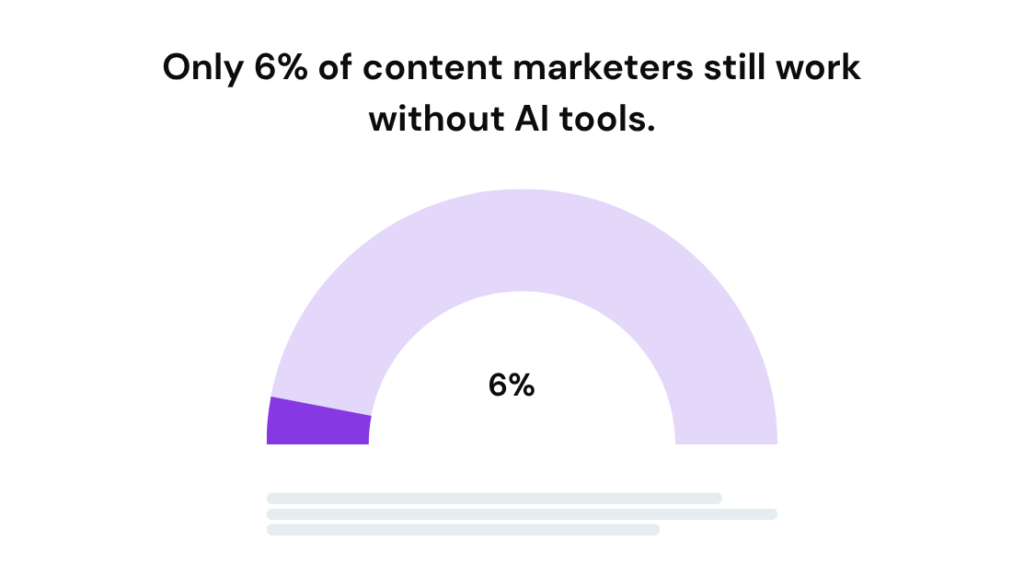
19. Only 6% of content marketers still work without AI tools.
20. 80% of marketers manually review AI content for accuracy.
21. 97% of companies edit and review AI content, while only 4% publish pure AI-generated content.
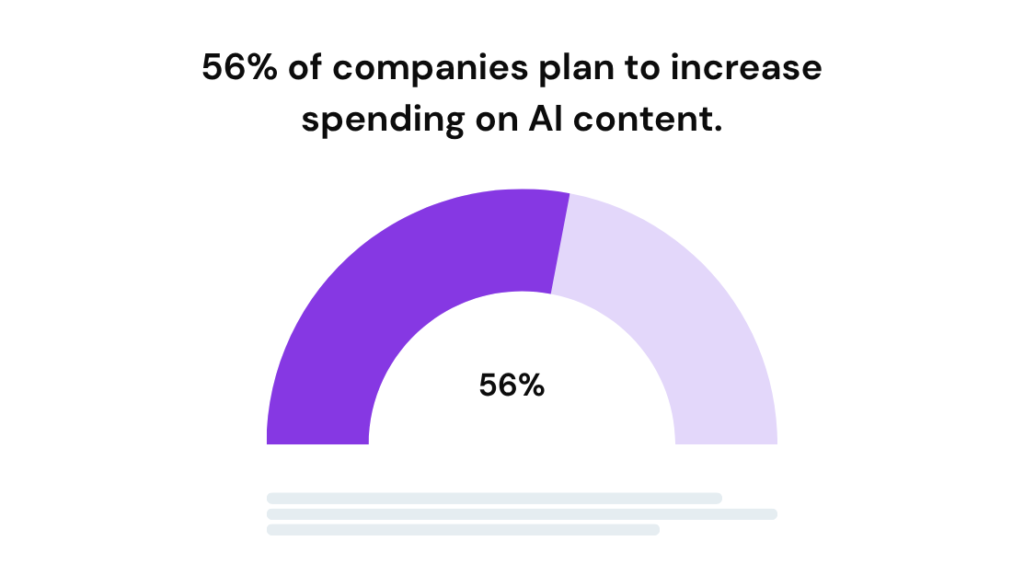
22. 56% of companies plan to increase spending on AI content.
23. Human-written content costs 4.7x more than AI-generated content.
24. 62% of people globally prefer social media ad content to be made by humans instead of AI.
25. Almost 90% of consumers globally want to know whether an image was created with AI.
26. 98% of consumers agree that authentic images and videos play an important role in building trust.
27. 76% of people agree that it is becoming hard to tell whether an image is real.
You might also like: 55+ demand generation statistics to know
Content Marketing Strategy and ROI
Content writing statistics help you see whether content is actually worth the budget, time, and team effort behind it.
Many companies publish because content feels necessary, but the better question is whether it creates demand, supports sales, brings leads, or only fills the blog.
This section looks at ROI, budget, quality, and long-term growth, so you can treat content as a business decision instead of another marketing task.
28. The content marketing industry is expected to generate more than $107 billion in revenue by 2026.
29. 91% of B2B marketers use content marketing to reach customers.
30. 92% of businesses use content as part of their marketing campaigns.
31. 83% of marketers say quality matters more than quantity, even if publishing less often becomes necessary.
32. 87% of marketers say content marketing helps generate demand or leads, while 74% say it helps nurture audiences or customers.
33. Content marketing generates more than 3x as many leads as outbound marketing while costing 62% less.
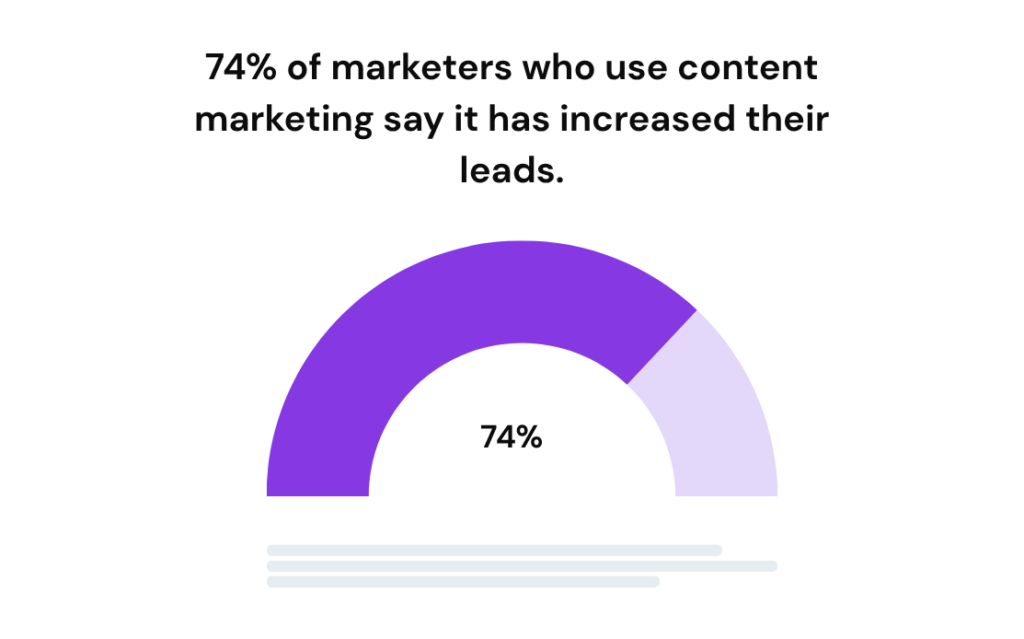
34. 74% of marketers who use content marketing say it has increased their leads.
35. 72% of North America’s most successful marketers measure content marketing ROI.
36. 69% of organizations plan to increase their content marketing spending.
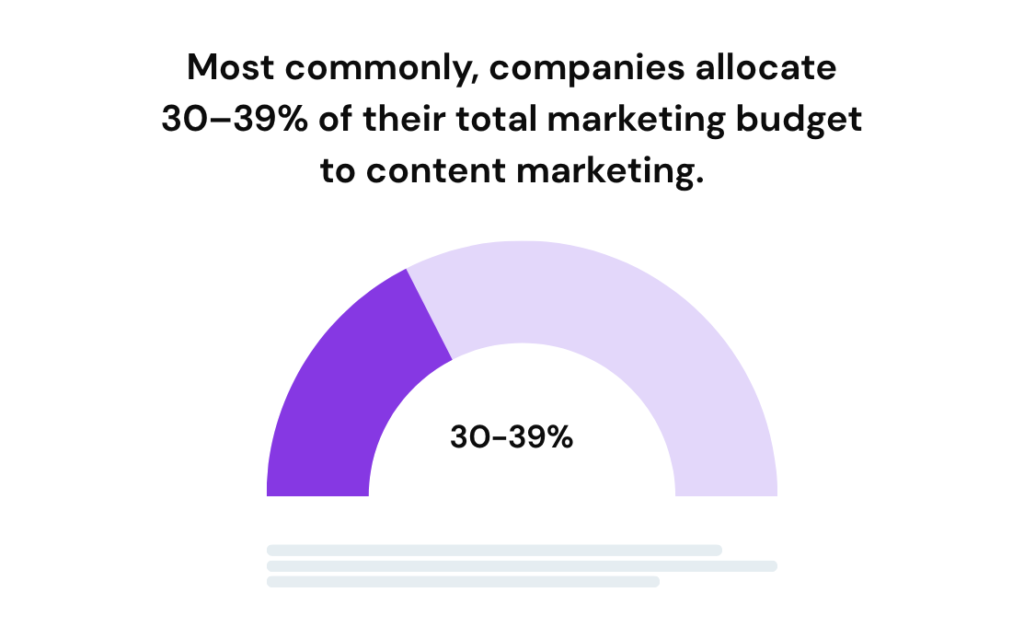
37. Most commonly, companies allocate 30–39% of their total marketing budget to content marketing.
Blog Length, Structure, and Format Statistics
38. The average blog post length in 2025 is 1,333 words.
39. In 2023, the average blog post was 1,416 words, a 77% increase from a decade earlier.
40. The typical blog article now has 1,427 words, which is more than 70% longer than ten years ago.
41. Articles above 2,000 words produce strong results for 4 in 10 writers.
42. Blog posts longer than 3,000 words outperform shorter posts by 53%.
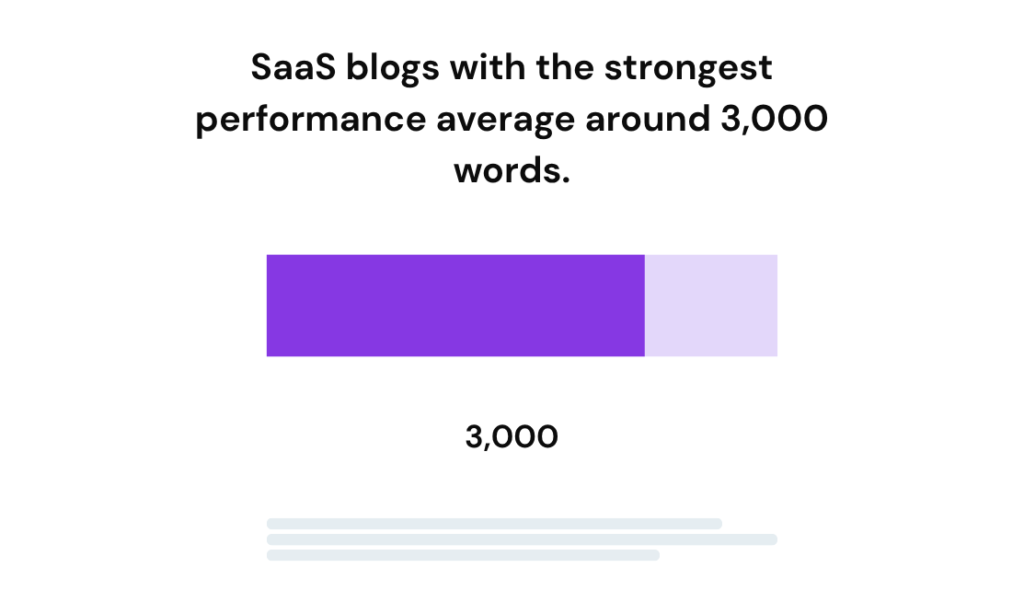
43. SaaS blogs with the strongest performance average around 3,000 words.
44. Long-form content between 3,000 and 10,000 words gets shared more often than shorter content.
45. Long-form content gets 2x more page views and 24% more shares than articles between 900 and 1,200 words.
46. Short content receives 23% less traffic than long-form content.
47. Blog posts with at least one list every 500 words get 72% more traffic than posts without lists.
You might also like: 40+ surprising SaaS statistics to keep in mind
SEO, Search, and Content Visibility Statistics
48. Organic search drives 85.19% of all blog traffic.
49. Google organic search accounts for 57.8% of global web traffic.
50. 96.55% of pages receive no organic search traffic from Google.
51. Only 1.74% of new pages reach Google’s top 10 results within a year.
52. 96.98% of clicks happen on results that rank in Google’s top 10.
You might also like: 80+ impressive interactive content statistics
Visual Content and Multimedia Statistics
53. 88% of blog articles now include at least one image.
54. 60% of blog articles include charts or data visualizations.
55. Blog posts with 7 or more images perform about 3x better than posts with only one image.
56. Blog posts with 7 or more images earn 55% more backlinks than posts without images.
57. Articles with images or visual media get 94% more total views than articles without visuals.
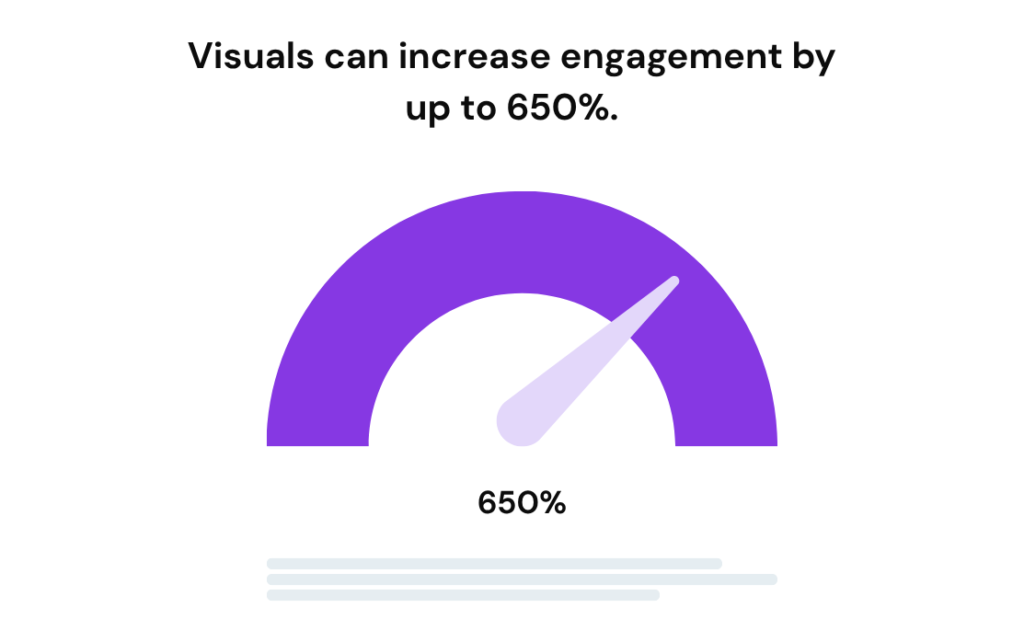
58. Visuals can increase engagement by up to 650%.
59. 47% of bloggers usually add two or three images to their posts, while only 3% use ten or more.
60. Videos inside blog posts generate 70% more traffic than posts without videos.
61. Short-form video was the top-performing content format for both B2B and B2C brands in 2024.
62. 98% of people have watched an explainer video to learn about a product or service.
SaaS and B2B Content Marketing Statistics
SaaS and B2B content has a heavier job than most consumer content.
Buyers need education, proof, comparison, and reassurance before they book a demo or talk to sales.
These content writing stats show how SaaS teams use content to support longer buying journeys and explain complex products.
One strong article can answer objections, clarify use cases, and move a buyer closer to action.
63. 98% of SaaS companies have blogs on their websites.
64. 90% of SaaS companies include blog posts in their online marketing strategy.
65. 81% of marketers consider content a core business strategy.
66. SaaS companies that use a content marketing strategy grow 30% faster than those without one.
67. SaaS companies typically spend between $342,000 and $1,090,000 per year on content marketing.
68. During their first three years, SaaS companies spend roughly 75% of revenue on sales and marketing.
69. 49% of B2B buyers rely more on content when researching and making purchase decisions.
70. 72% of B2B customers engage with content before they contact a salesperson.
71. 84% of B2B marketing representatives frequently read business-related content on smartphones.
72. The three biggest factors behind better B2B content marketing are content relevance and quality at 65%, team skills at 53%, and sales alignment at 45%.
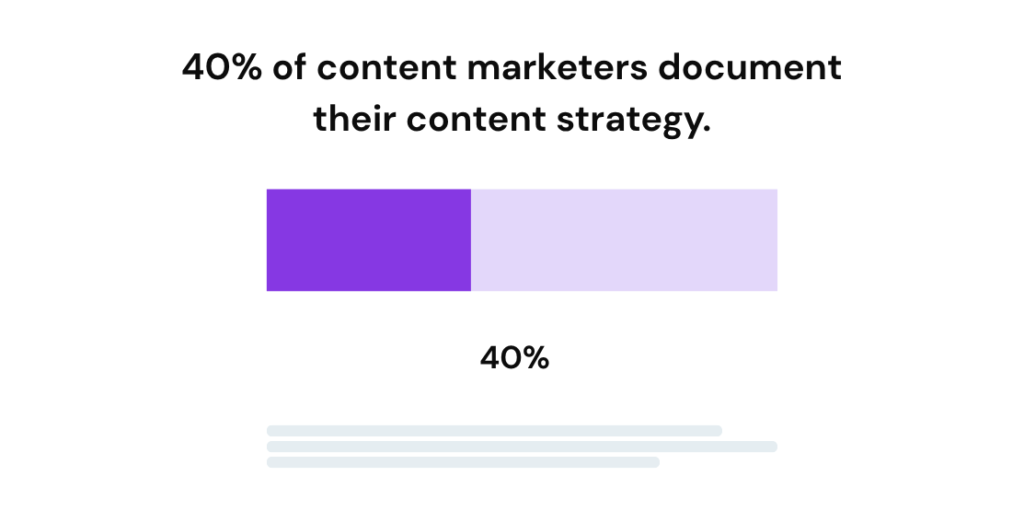
73. 40% of content marketers document their content strategy.
74. 67% of SaaS companies work with freelance content creators.
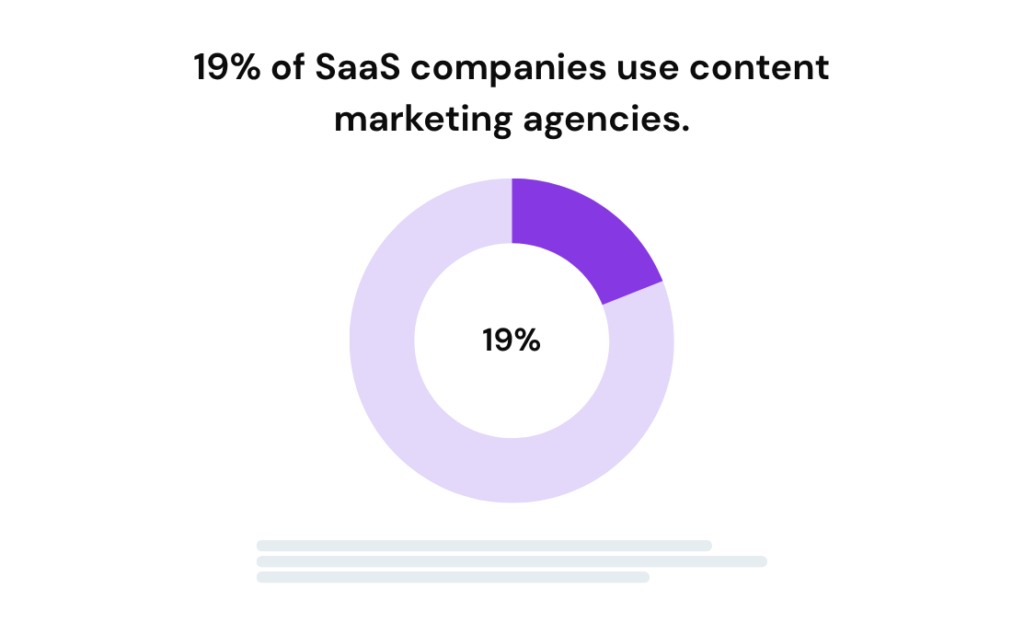
75. 19% of SaaS companies use content marketing agencies.
76. Around 53% of SaaS marketing teams use a mix of in-house and outsourced content resources.
Key Content Writing Statistics for Important Decisions
The biggest lesson from these content writing statistics is simple: content still works, but weak content has less room to hide.
Readers skim more, search competition is tougher, AI has raised content output, and buyers expect clearer, more useful information before they trust a brand.
So the winning teams won’t just publish more. They’ll write with stronger intent, better structure, sharper research, and clearer business goals.
Use these content writing stats as a guide, but don’t follow them blindly. Your audience, offer, and strategy still matter most.
Sources